FRANCS DE PIED IN GREENLAND
Events
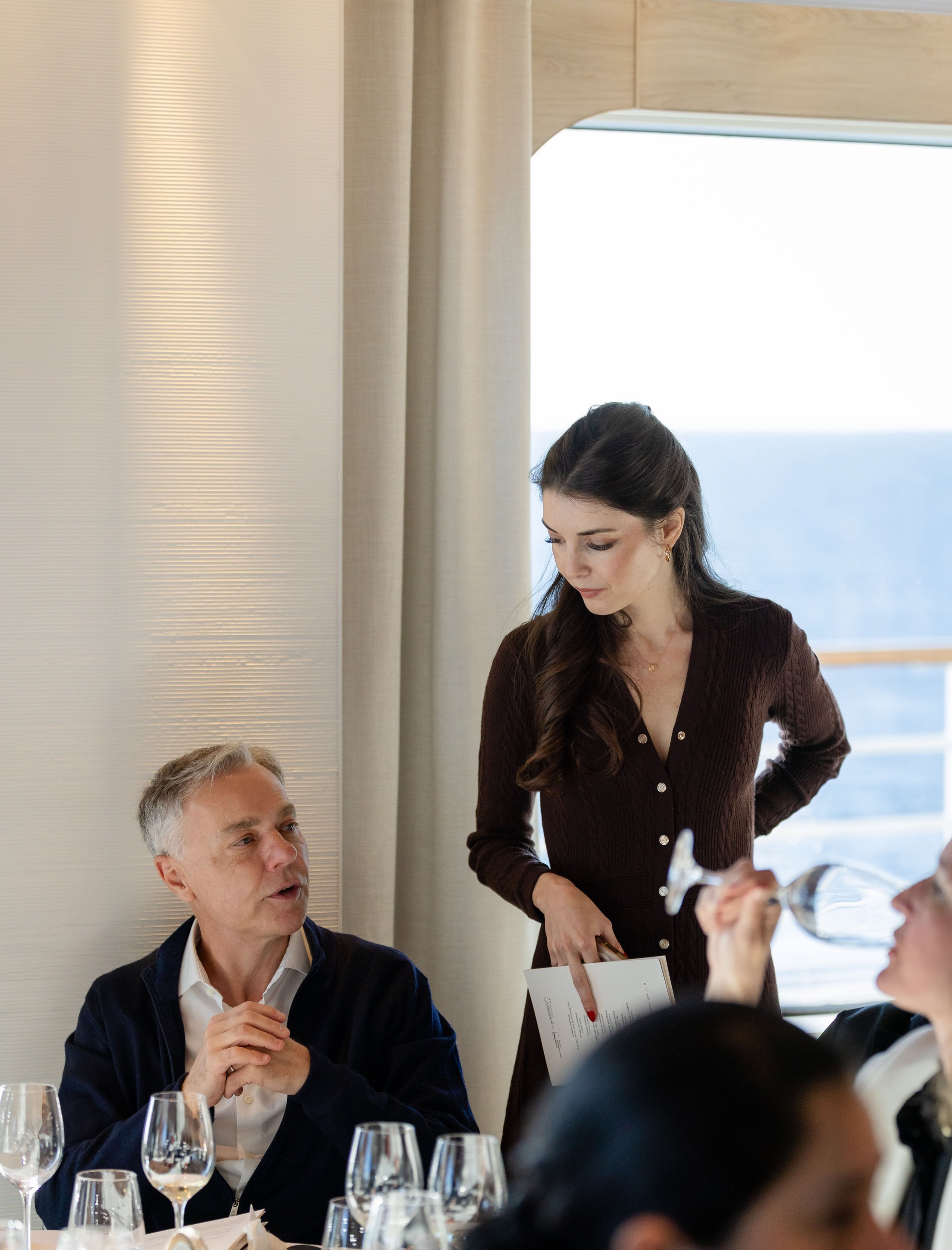
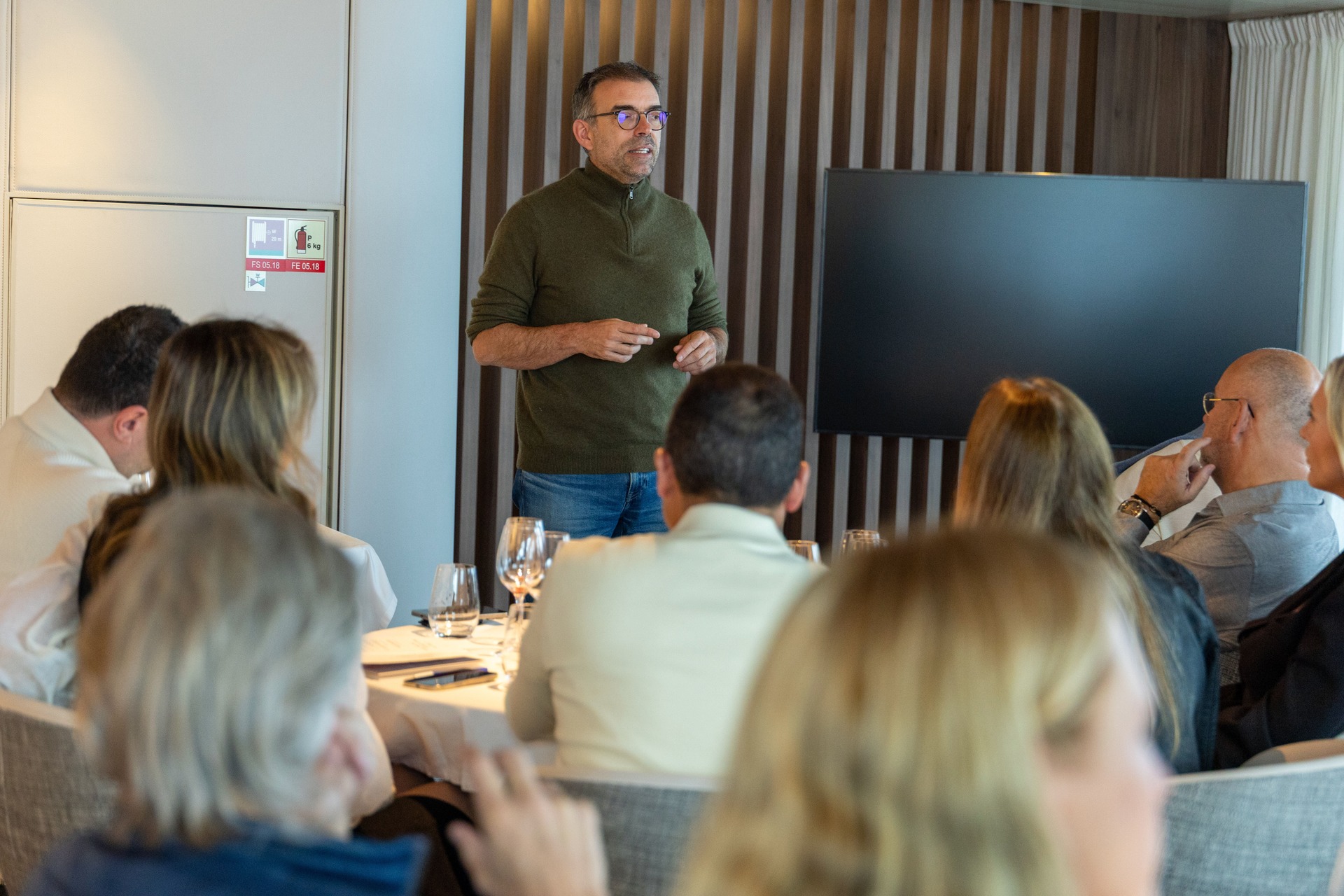
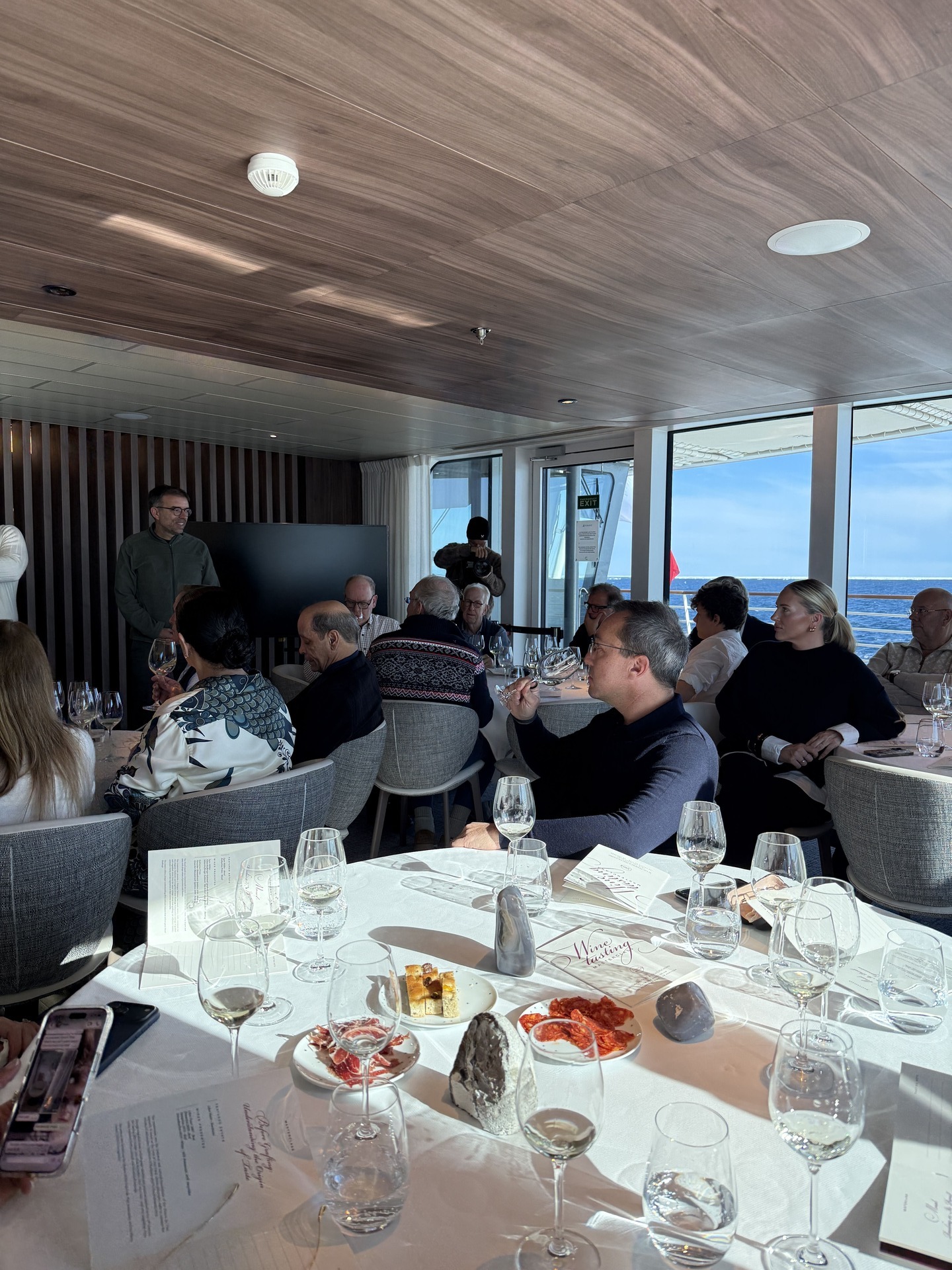
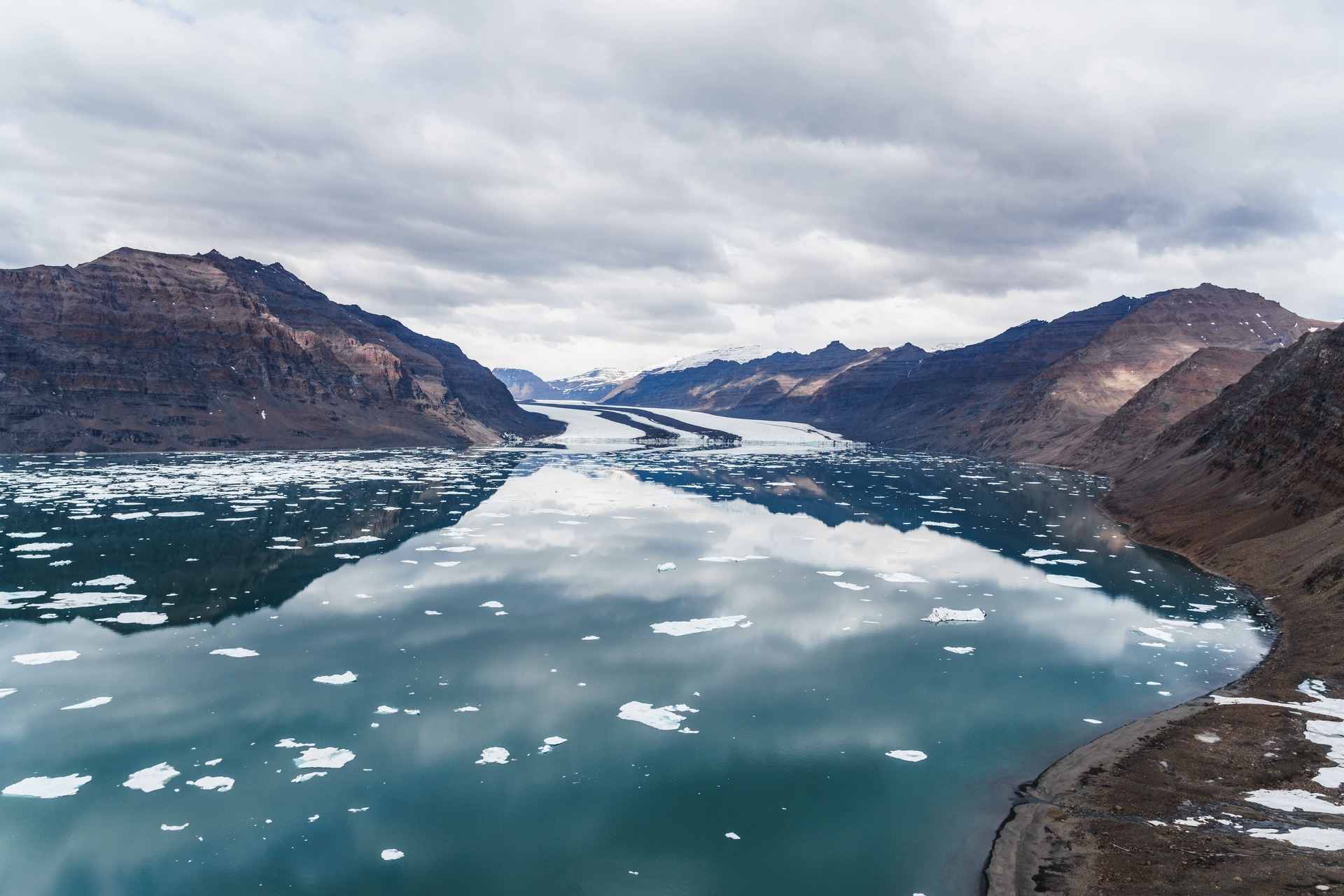
From 1 to 12 July 2026, the Francs de Pied Association organised six masterclasses aboard Le Commandant Charcot, amid the spectacular landscapes of Greenland.
These tastings formed part of an engagement journey bringing together entrepreneurs, senior executives and leading figures from major industries, representing 19 nationalities. Through their responsibilities and capacity for action, their decisions can have a significant impact on the economic, environmental and social transformations of tomorrow.
Within this magnificent yet fragile polar environment, the masterclasses sought to raise participants’ awareness of the preservation of viticultural heritage, terroir biodiversity and, more broadly, the importance of making decisionsthat support sustainable development.
Through the presentation of wines produced from ungrafted vines, as well as several comparative tastings of winesfrom grafted and ungrafted vines, participants discovered the work of estates committed to safeguarding rare grapevarieties, terroirs and expertise.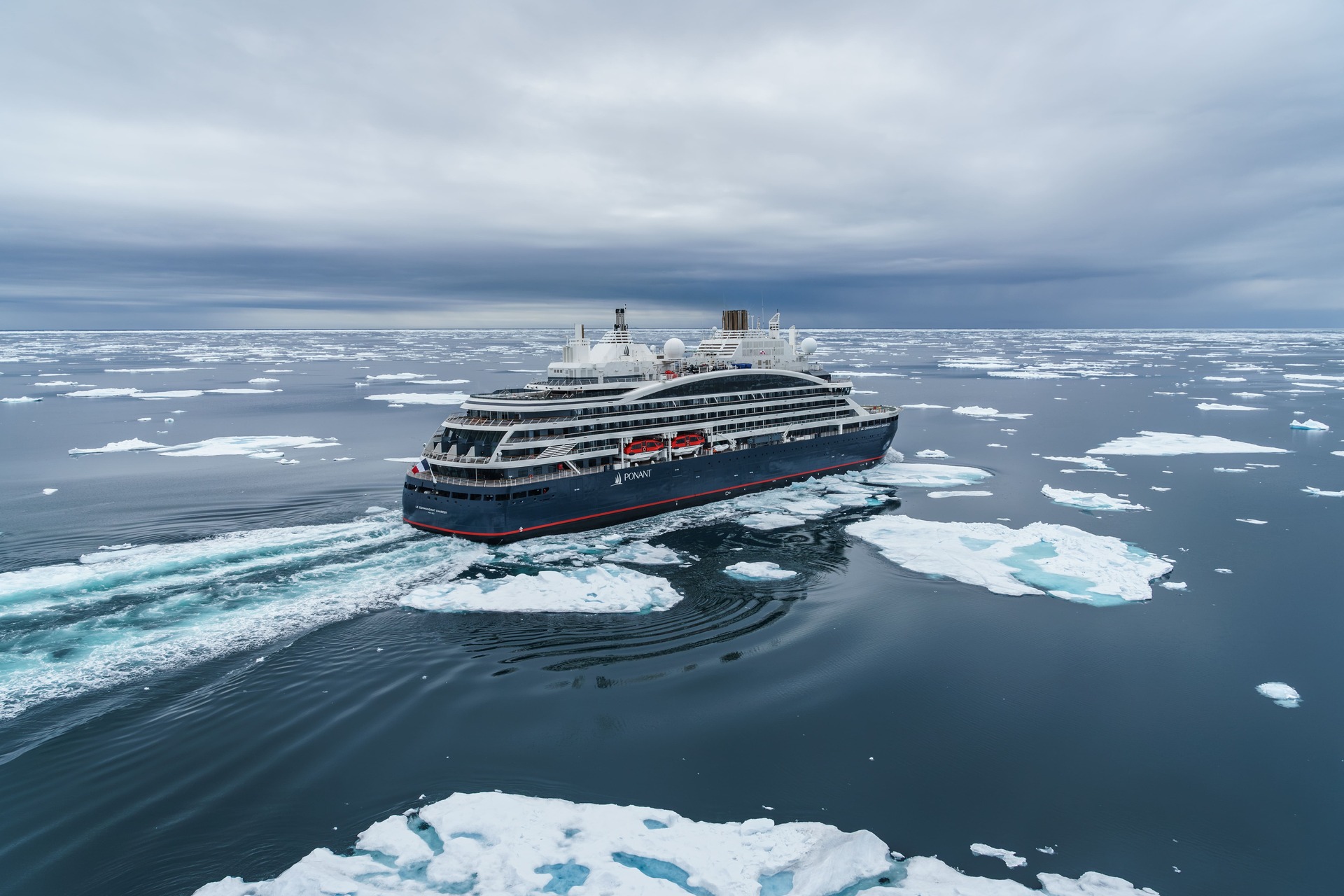
BEFORE GRAFTING : UNDERSTANDING THE ORIGIN OF TASTE
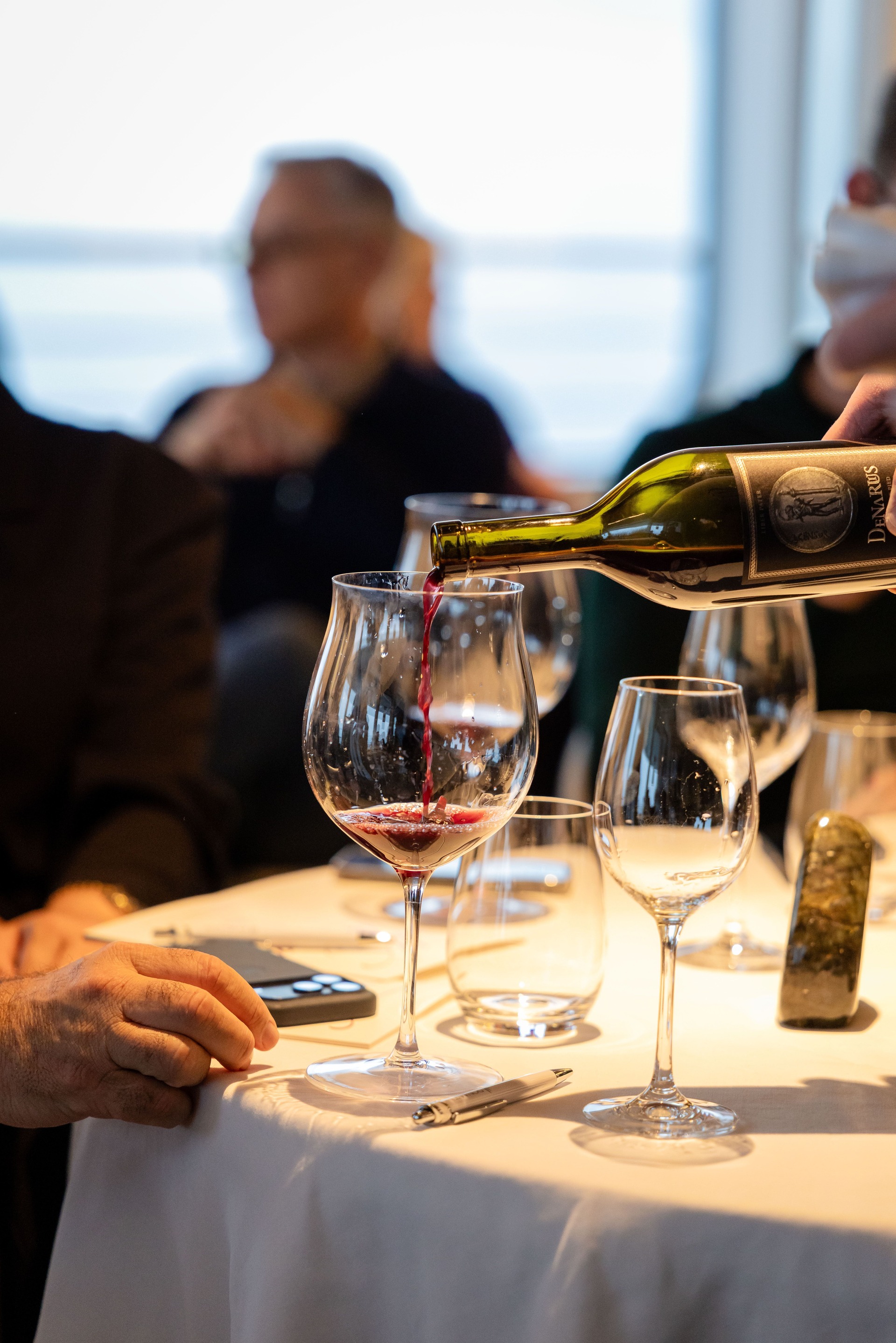
The first masterclass was devoted to Liber Pater, the Bordeaux estate founded by Loïc Pasquet.
The tasting featured Liber Pater 2007, Denarius 2019 and 2020, and Tetradrachm 2019. Through ungrafted vines, ancient grape varieties and viticultural practices inspired by the 19th century, this session explored the characteristics of European wine before the phylloxera crisis.
It also introduced the principal issues surrounding ungrafted vines: the preservation of genetic diversity, the transmission of expertise and the safeguarding of a heritage that is as much cultural as it is viticultural.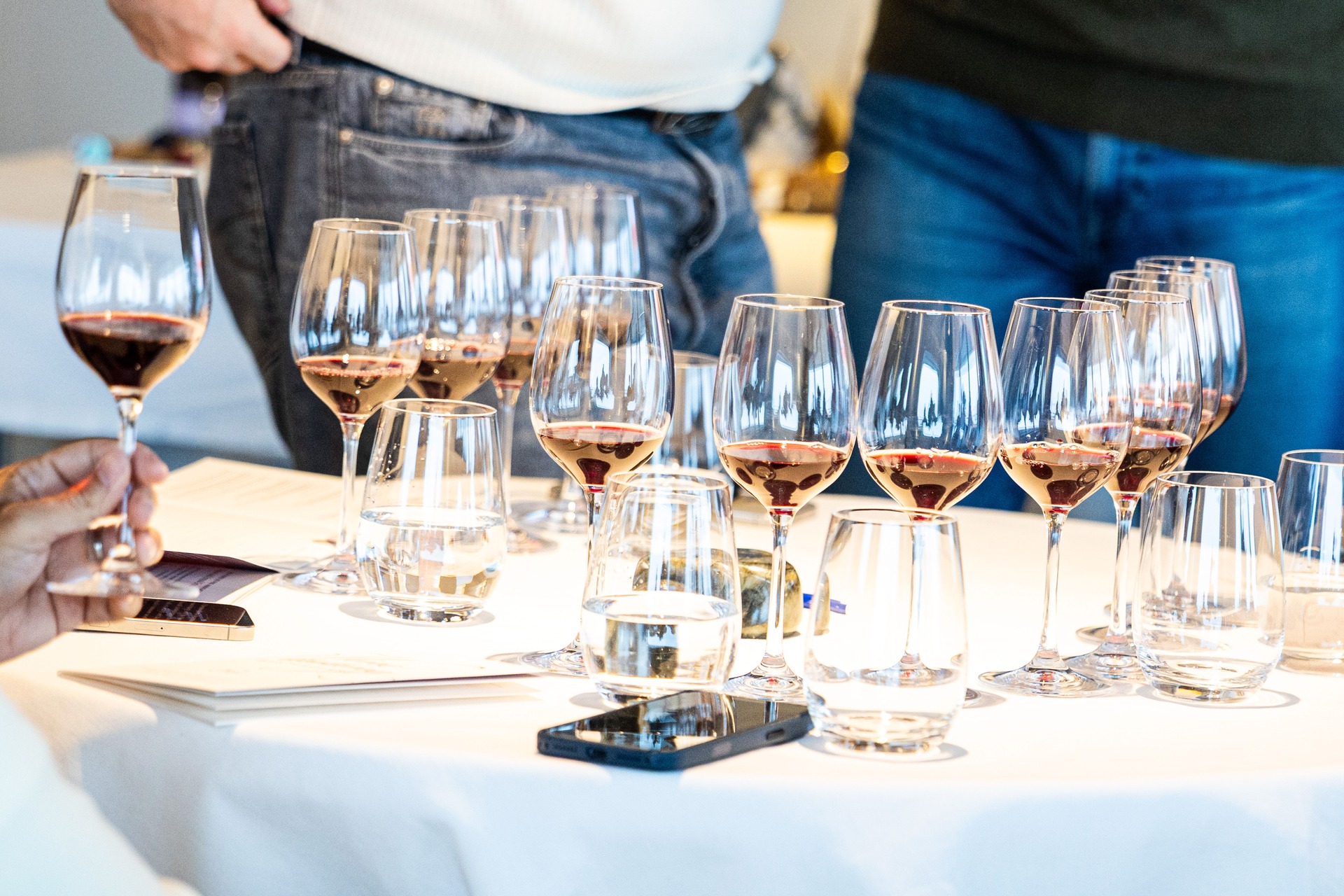
NORTHERN TERROIR WHITES : THE LOIRE VALLEY AND CHABLIS
The second masterclass brought together three French estates around great white wines from northern climates.
In Sancerre, Jean-Dominique et Jean-Laurent Vacheron, of Domaine Vacheron, presented La Haie Longue 2021 and Franc de Pied 2021. Grown on Carboniferous schist soils, these Chenin Blancs offered a precise and sensitive expression of the Loire landscape.
On the Corniche Angevine, Nils Drost, of Domaine Drost, presented La Haie Longue 2021 and Franc de Pied 2021. Grown on Carboniferous schist soils, these Chenin Blancs offered a precise and sensitive expression of the Loire landscape.
In Chablis, Catherine et Louis Poitout, of Domaine L&C Poitout, presented the Petit Chablis “L’InextinctNon-Greffé” 2023 and Chablis Cuvée Bienommée 2023. The comparison notably revealed differences in texture, persistence and the perception of freshness on the marine fossil-rich soils of the Chablis vineyards.
Mosel : Riesling IN ITS PUREST EXPRESSION
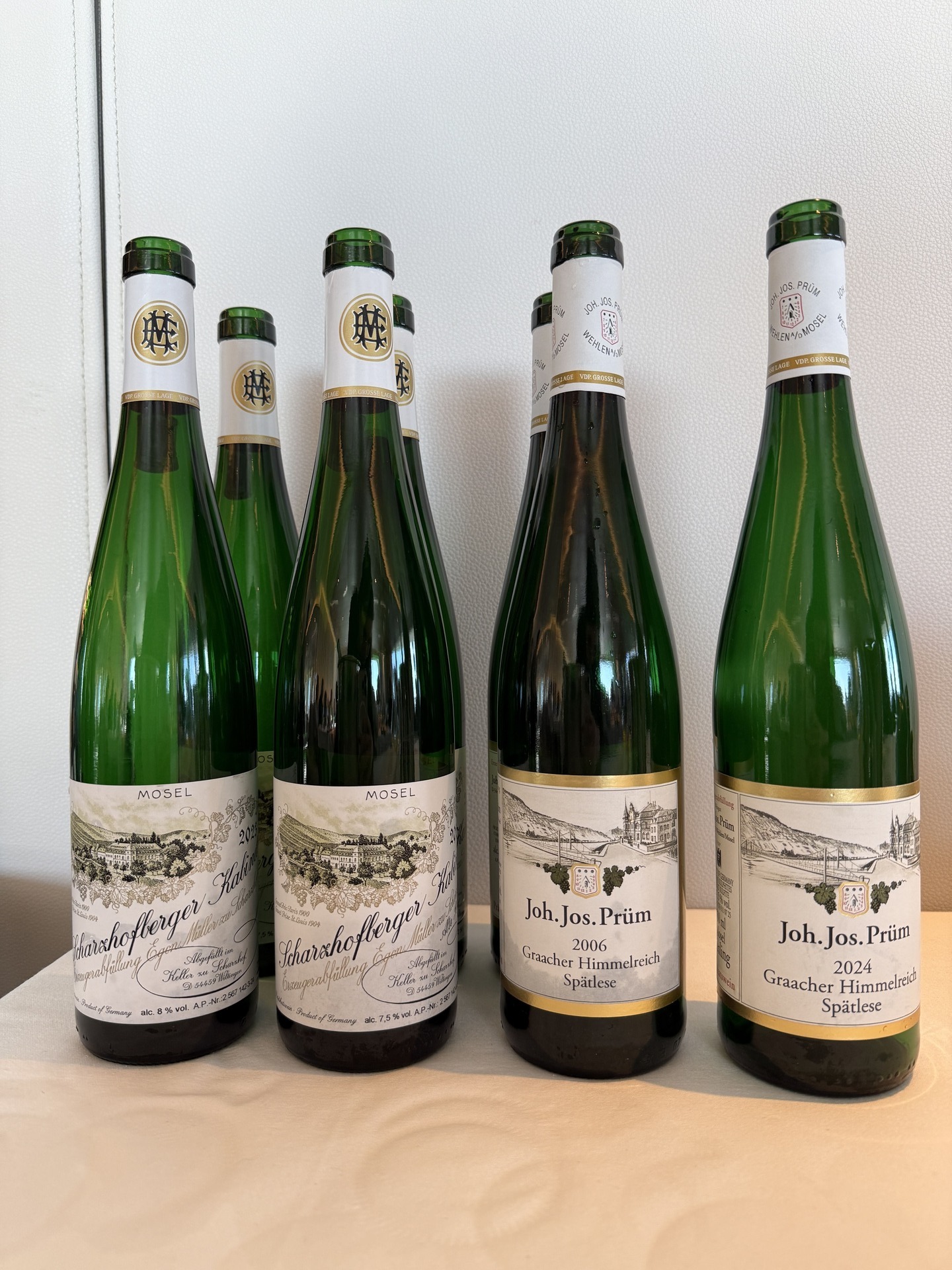
The third masterclass highlighted two emblematic Mosel estates : Egon Müller, of Weingut Egon Müller-Scharzhof, and Katharina Prüm, of Weingut Joh. Jos. Prüm.
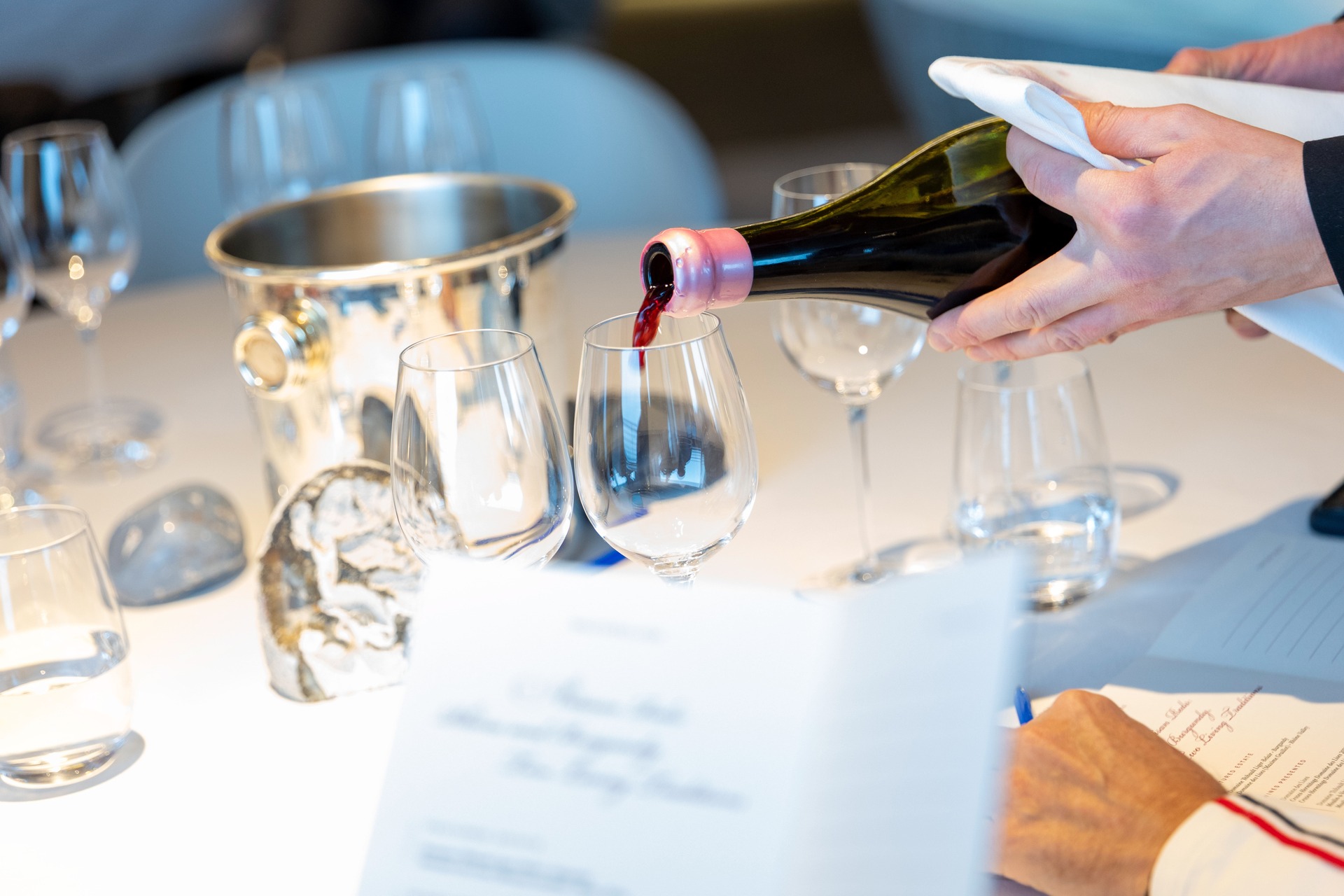
Egon Müller’s Scharzhofberger Kabinett 2023 was presented in two expressions, one produced from grafted vines and the other from old ungrafted vines. Two vintages of Joh. Jos. Prüm’s Graacher Himmelreich Spätlese, 2024 and 2006, also offered an opportunity to appreciate the evolution and remarkable longevity of great Mosel Rieslings.
With their steep slopes, slate soils and cool climate, these wines illustrated how terroir, vine age and viticulturalpractices influence tension, finesse and aromatic clarity.
ARTISAN REDS d’auteur : THE Rhône VALLEY AND BURGUNDY
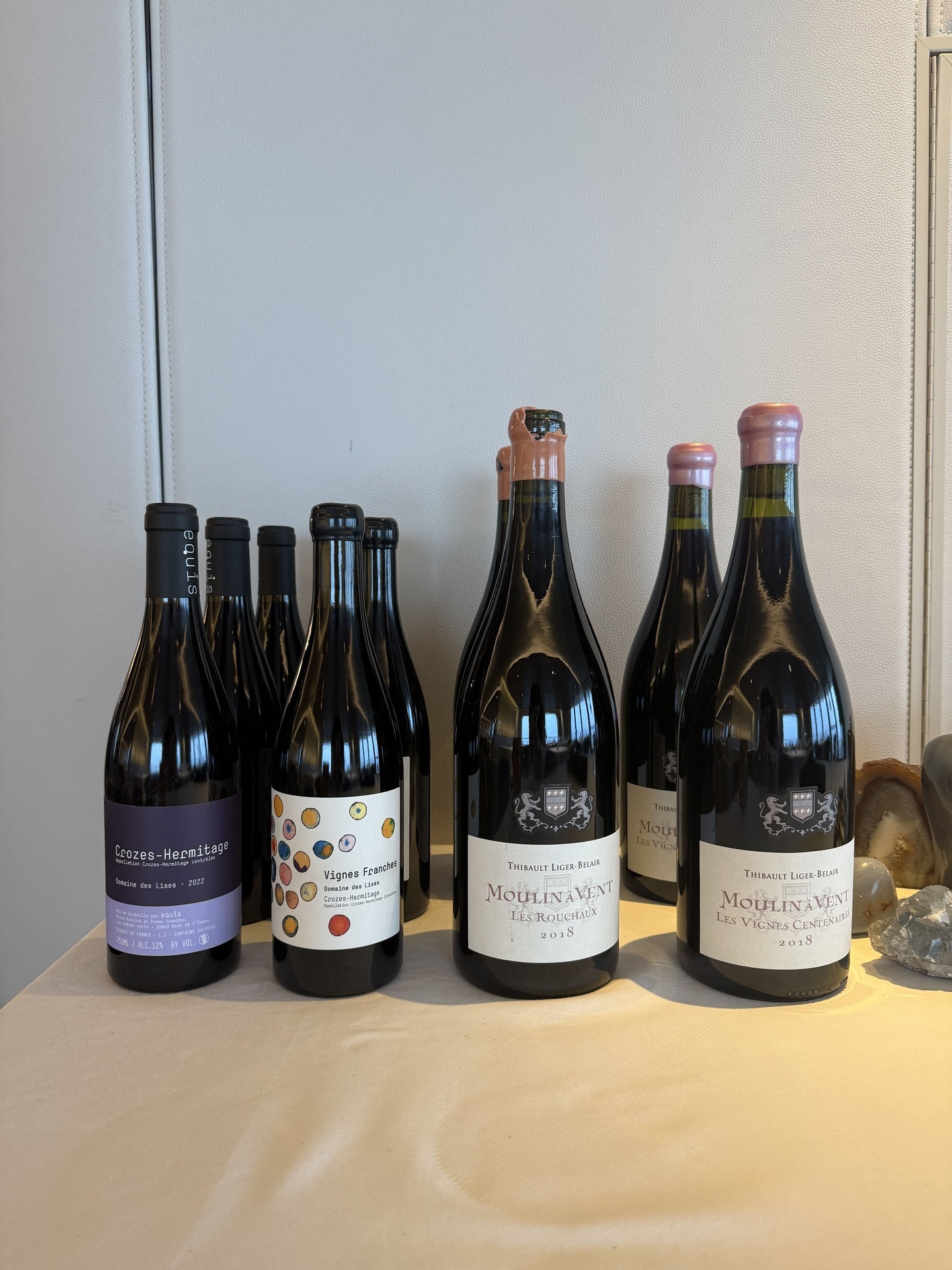
The fourth masterclass brought together two French winemaking traditions through the work of Maxime Graillot, of Domaine des Lises, and Thibault Liger-Belair, of domaine Thibault Liger Belair.
In the Rhône Valley, Crozes-Hermitage Domaine des Lises 2022 was tasted alongside Crozes-Hermitage “Vignes Franches” 2022. These two expressions of Syrah offered an opportunity to explore the influence of plantingmethods on the wine’s structure, balance and identity.
Thibault Liger-Belair’s Moulin-à-Vent “Les Vignes Centenaires” 2018 and Moulin-à-Vent “Les Rouchaux” 2018 provided two complementary interpretations of Gamay. The old vines and granitic terroirs of Moulin-à-Vent produced wines of depth and precision, closely connected to their place of origin.
Italy, a living conservatory of ungrafted vines
The fifth masterclass was devoted to two major wine regions in southern Italy, with the participation of Viviana Malafarina, representing Basilisco and Feudi di San Gregorio.
In Basilicata, Storico Francs de Pied 2013 was presented alongside Basilisco 2013. On the volcanic slopes of Mount Vulture, this comparison revealed the depth, structure and ageing potential of Aglianico grown on thesedistinctive soils.
In Campania, Serpico Francs de Pied 2018, produced from ungrafted pre-phylloxera vines in the historic Dal Re vineyard, was tasted alongside Taurasi 2018, made from grafted Aglianico vines.
This masterclass highlighted the richness of two complementary regions and Italy’s essential role in preservingancient vineyards and viticultural traditions associated with ungrafted vines.
cyprus : indigeneous grape varieties and a living heritage
The sixth masterclass was dedicated to Cyprus, an island whose millennia-old winemaking history and wealth of indigenous grape varieties constitute a remarkable heritage.
Symeon Symeon, founder of Symeon Winery, presented two wines expressing the diversity of Cyprus’s high-altitude terroirs and winemaking traditions.
Τόπος – Topos 2023 is a blend of Mavro and Maratheftiko from century-old vineyards in the mountainous Pitsiliaregion. Vinified in concrete tanks and subsequently aged in French oak barrels, this red wine displays structure, depth, tension and mineral expression.
Xynisteri 2024 is produced from the indigenous white grape variety of the same name, grown on the volcanic soilsof Vouni Panagias at approximately 1,200 metres above sea level. Its vinification, combining concrete tanks withpartial barrel ageing, highlights its freshness, aromatic purity and distinctive terroir identity.
This masterclass placed Cyprus at the heart of the Association’s international reflection on living viticulturalheritage, transmitted through indigenous grape varieties, ancient vineyards and practices adapted to demandingenvironments.
WINE AS A VEHICLE FOR AWARENESS
Within the exceptional setting of Greenland, these six masterclasses created a dialogue between natural and viticultural heritages whose preservation represents a shared responsibility.
The tasting experience became a means of education and awareness, connecting the realities of terroir with major contemporary challenges: preserving biodiversity, adapting to climate change, protecting natural resources and transmitting knowledge.
By bringing together decision-makers from 19 nationalities alongside committed estates and winemakers, thisinitiative illustrated wine’s ability to inspire a broader reflection on responsibility, sustainability and the impact of today’s decisions on future generations.
Through these encounters, the Francs de Pied Association continues its mission to identify, preserve and promote a unique viticultural heritage while encouraging an approach to development that respects living ecosystems, individual territories and their diversity.